


 Home > Archive by category "Blog"
Blog

Can an INTERPOL Blue Notice Lead to a Red Notice? Risks, Escalation, and Legal Defenses
An entrepreneur learns through a business partner that an INTERPOL Blue Notice has been issued in their name. They aren’t under arrest, but the news triggers immense anxiety. They worry this is just one step away from a Red Notice—a global alert that could get them arrested at any airport. Is this fear justified? Yes. […]

When White-Collar Crime Becomes an Extradition Risk: How Fraud, Corruption, and Money Laundering Cases Cross Borders
A British fund manager was arrested at Toronto Pearson Airport in January 2026 under a U.S. extradition request alleging wire fraud and investment misrepresentation totaling $12 million. Canadian border officers flagged an Interpol Red Notice issued six months earlier. His legal team had fourteen days to file a bail application and begin challenging the dual-criminality […]

Recover Frozen OFAC Sanctioned Crypto: Iran $131M USDT Case & TRON Blacklist (2026)
If your cryptocurrency has been frozen under OFAC sanctions, you have two legal paths forward: file a specific license application with the U.S. Department of the Treasury, or submit a delisting petition to remove your address from the Specially Designated Nationals (SDN) List. Recovery is possible only if funds remain in a custodial account or […]

Iran General License X1 OFAC: Wind-Down Rules 2026
On July 7, 2026, the Office of Foreign Assets Control issued Iran General License X1, immediately revoking General License X. Companies with existing Iranian oil contracts had until 12:01 a.m. EDT on July 17, 2026 — exactly ten days — to complete only those activities “ordinarily incident and necessary” to wind down previously authorized operations. […]

From PPP to Charity Scams: The Evolution of White-Collar Fraud in the Post-Pandemic Era
A Florida accountant filed 47 fraudulent PPP loan applications between April and August 2020, creating shell companies with fabricated payroll records. By the time federal investigators identified the scheme in late 2021, she had relocated assets through cryptocurrency exchanges in three jurisdictions. The case required coordination between the FBI, FinCEN, and INTERPOL to trace USD […]

What Does “No Extradition” Mean and Why Do Countries Have These Laws?
A Russian software developer arrested in Dubai in January 2026 believed he was safe. No bilateral extradition treaty existed between the UAE and Russia. Within 48 hours, immigration officials deported him on an expired visa charge—and he landed directly into the hands of authorities at Moscow’s Sheremetyevo Airport. His lawyer learned of the deportation only […]

What Does a Red Notice Actually Mean in Law Enforcement?
A Canadian software consultant arrived at Singapore’s Changi Airport in February 2026 for a client meeting. Border officers detained him for twelve hours—an Interpol Red Notice had been circulated by Ukraine, claiming embezzlement. He had no knowledge of the charges and no active case in his home country. His legal team had 72 hours to […]

Red Corner Notice: What It Is, Who Issues It, and How to Challenge It (2026)
A Pakistani journalist arrived at Heathrow Airport in January 2025 and was detained within minutes of landing. Border Force officers flagged an alert in INTERPOL’s database—what her government called a “Red Corner Notice” had been active for eight months. She had 48 hours before formal extradition proceedings would begin in the UK courts. The term […]
How Does Interpol’s Most Wanted List Actually Work and Why Should You Know About It?
A Brazilian finance executive discovered in January 2025 that his name appeared on Interpol’s public Red Notice database when a routine visa application was denied. He had never been contacted by authorities, never charged with a crime in any jurisdiction, and the notice had been circulating across 195 countries for 11 months. His legal team […]
Extradition Treaty Guide 2026: Requirements & Process Explained
Extradition Treaty: Legal Framework for International Surrender of Fugitives Author: Thomas R. Hendricks, Senior Legal Content Specialist | Reviewed by: Dr. Maria Chen, International Law Consultant | Last Updated: January 15, 2025 An extradition treaty is a formal legal agreement between two or more countries that permits one state to surrender a person to another […]
Asset recovery — 2026
Asset Recovery in 2026: Key Legal Tools, Cross-Border Enforcement Risks, and What Changes for Claimants Asset recovery is the legal process of locating, freezing, and reclaiming property or funds that have been stolen, hidden, or unlawfully transferred through fraud, corruption, bankruptcy, or criminal activity, using investigative tools, court orders, and cross-border enforcement mechanisms (INTERPOL Global […]
OFAC sanctions 2026 — Guide (2026)
A Rotterdam logistics company processed a routine shipment to Dubai in January 2026. Three months later—after the goods had arrived and been paid for—OFAC’s enforcement division issued a pre-penalty notice. The Dubai entity had been added to the Specially Designated Nationals (SDN) List three days before the transaction cleared. The company faced a proposed civil […]

When to Hire a Crypto Lawyer: 9 Critical Situations (2026)
When Do You Need a Crypto Lawyer? 9 High-Risk Situations Involving Exchanges, Wallets, and Digital Asset Seizures You need a crypto lawyer when facing regulatory investigations, exchange collapses, asset seizures, token launches, tax disputes, or cross-border enforcement actions. These situations demand specialized knowledge of blockchain forensics, securities law classification, and anti-money-laundering compliance that general practitioners […]

INTERPOL CCF Portal: How to Submit Your Request Online in 2026
What Is the CCF? The Commission for the Control of INTERPOL’s Files (CCF) is INTERPOL’s independent supervisory body, established under Article 36 of INTERPOL’s Constitution. It operates separately from the General Secretariat and is mandated to ensure that INTERPOL’s data processing complies with the organisation’s rules — in particular, its Statute on the Processing of […]

What Happens If Interpol Finds You? Full Legal Guide 2026
What happens if Interpol finds you? The short answer: INTERPOL itself cannot arrest you — but it can trigger your arrest by local police anywhere in its 195 member countries. This guide explains the INTERPOL process, what it means for you, and what legal options you have. What Does It Mean for Interpol to “Find” […]
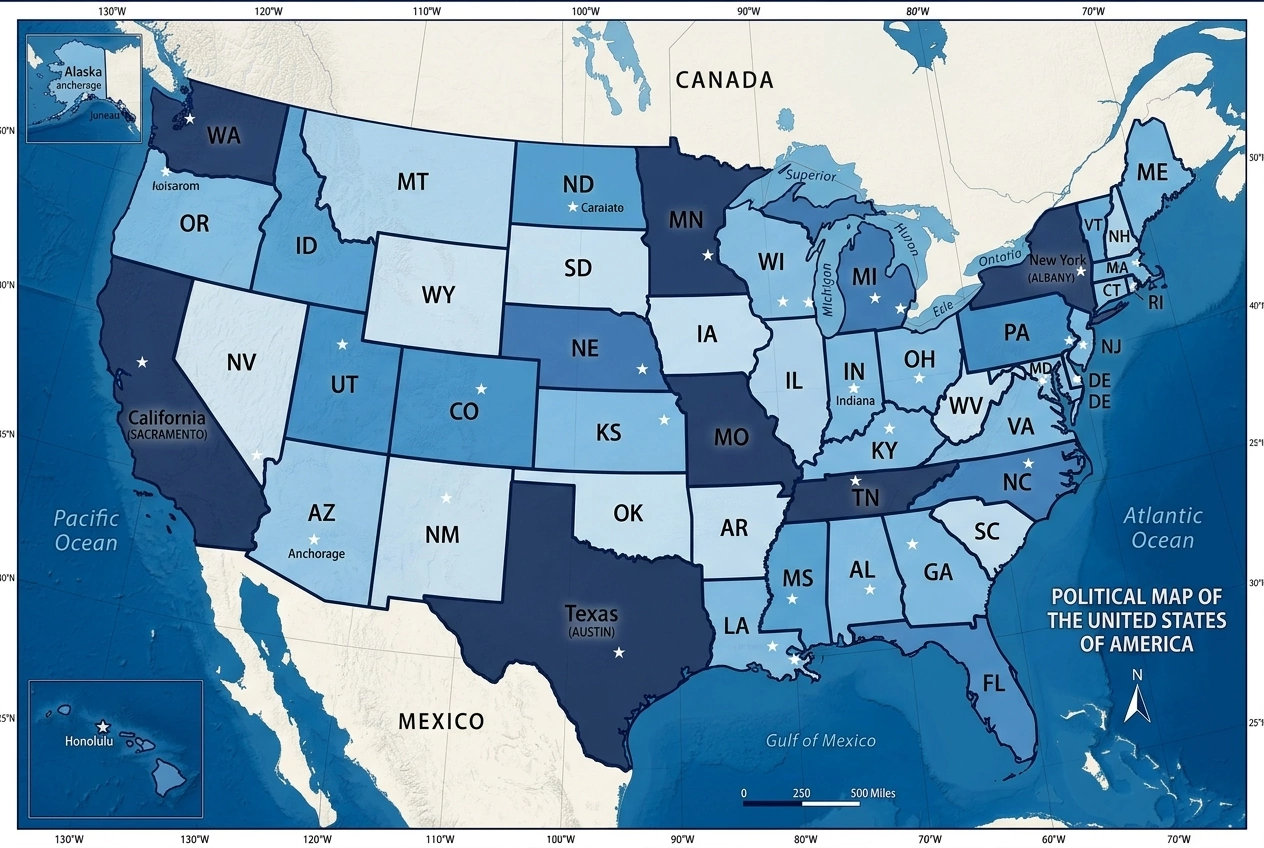
Non-Extradition States in the US 2026 | Which States Decline?
The United States has a constitutional obligation for states to extradite fugitives to one another — but the reality is more nuanced. While no US state is technically a “non-extradition state” under federal law, governors retain discretionary powers that can delay or block interstate extradition in certain cases. Understanding this distinction matters whether you are […]

Can You Get a Passport With a Warrant? 2026 Legal Guide
Can you get a passport with a warrant? In most cases, yes — but with important exceptions. Whether a warrant affects your passport depends on the type of warrant, the jurisdiction, and whether federal agencies have placed a flag on your record. This guide explains everything you need to know. The General Rule: Warrants and […]

Nicolás Maduro and Interpol: Understanding the Legal Situation in 2026
In recent months, Nicolás Maduro, the president of Venezuela, has been a recurring topic in international headlines, often linked to Interpol, alleged arrest warrants, and potential extradition scenarios. Online searches for “Nicolas Maduro Interpol” have surged, reflecting widespread curiosity about his legal status. Despite widespread speculation, there is currently no official Red Notice or international […]

EPPO Cooperation with Non-Participating EU States and Third Countries
The European Public Prosecutor’s Office (EPPO) is a supranational body established in 2021 to investigate and prosecute crimes affecting the EU budget — including fraud, corruption, VAT carousel schemes, and money laundering. While EPPO operates within the EU, it increasingly cooperates with non-participating EU Member States and third countries via formal legal assistance frameworks. Understanding […]

Global Dialogue on Extradition: Our Legal Team at the Lake Iseo Seminar
In June 2024, members of the Intercollegium legal team participated in the International Extradition Seminar at Lake Iseo, Italy — one of the foremost annual gatherings of international criminal law practitioners specialising in cross-border extradition, Interpol procedure, and mutual legal assistance. The seminar brought together defence lawyers, prosecutors, academics, and judicial officials from over 30 […]

Navigating International Legal Challenges: Extradition, Interpol Notices, and Asset Recovery
Read more
How Do I Know if I am on INTERPOL?
2026 update: the public INTERPOL list still shows under 5% of active notices — the reliable check remains a CCF data access request. If you may be listed, see our wanted-list check and Red Notice removal services. Frequently Asked Questions How do I know if I am on INTERPOL? There are three ways to check: […]

Can You Get Arrested at the Airport?
You can be arrested at an airport if border control detects an outstanding arrest warrant, INTERPOL Red Notice, or watch-list flag during passport or identity checks. Airports are active enforcement points — border police have direct access to INTERPOL’s I-24/7 database and national criminal records. The risk varies by country, the type of warrant, and […]

Can INTERPOL make arrests?
INTERPOL cannot make arrests — it has no police powers whatsoever. INTERPOL is an international coordination organization, not a law enforcement agency. All arrests based on INTERPOL notices are made by national police forces acting under their own national laws. INTERPOL’s role is to issue notices, share intelligence, and coordinate — never to arrest, detain, […]

What countries are not members of Interpol?
Countries not members of INTERPOL are states that do not participate in the international police cooperation network of 196 member nations. In 2026, virtually all recognised sovereign states are INTERPOL members. The exceptions include Kosovo (due to disputed recognition status) and Taiwan (excluded due to China’s objection). North Korea and Iran are nominal members with […]

Interpol vs Europol: What’s the difference?
Frequently Asked Questions What is the difference between INTERPOL and Europol? INTERPOL is a global police coordination organization with 195 member countries, headquartered in Lyon. Europol is an EU-only law enforcement agency supporting the 27 EU member states, headquartered in The Hague. INTERPOL focuses on circulating notices and coordinating global investigations; Europol focuses on intelligence […]

Can You Fly with a Warrant 2026?
2026 update: with wider Advance Passenger Information sharing at borders, an outstanding warrant is more likely to surface at check-in. Get advice on your arrest warrant before travelling. Frequently Asked Questions Can you fly with a warrant? Whether you can fly with a warrant depends on the type of warrant and jurisdiction. For domestic (state) […]
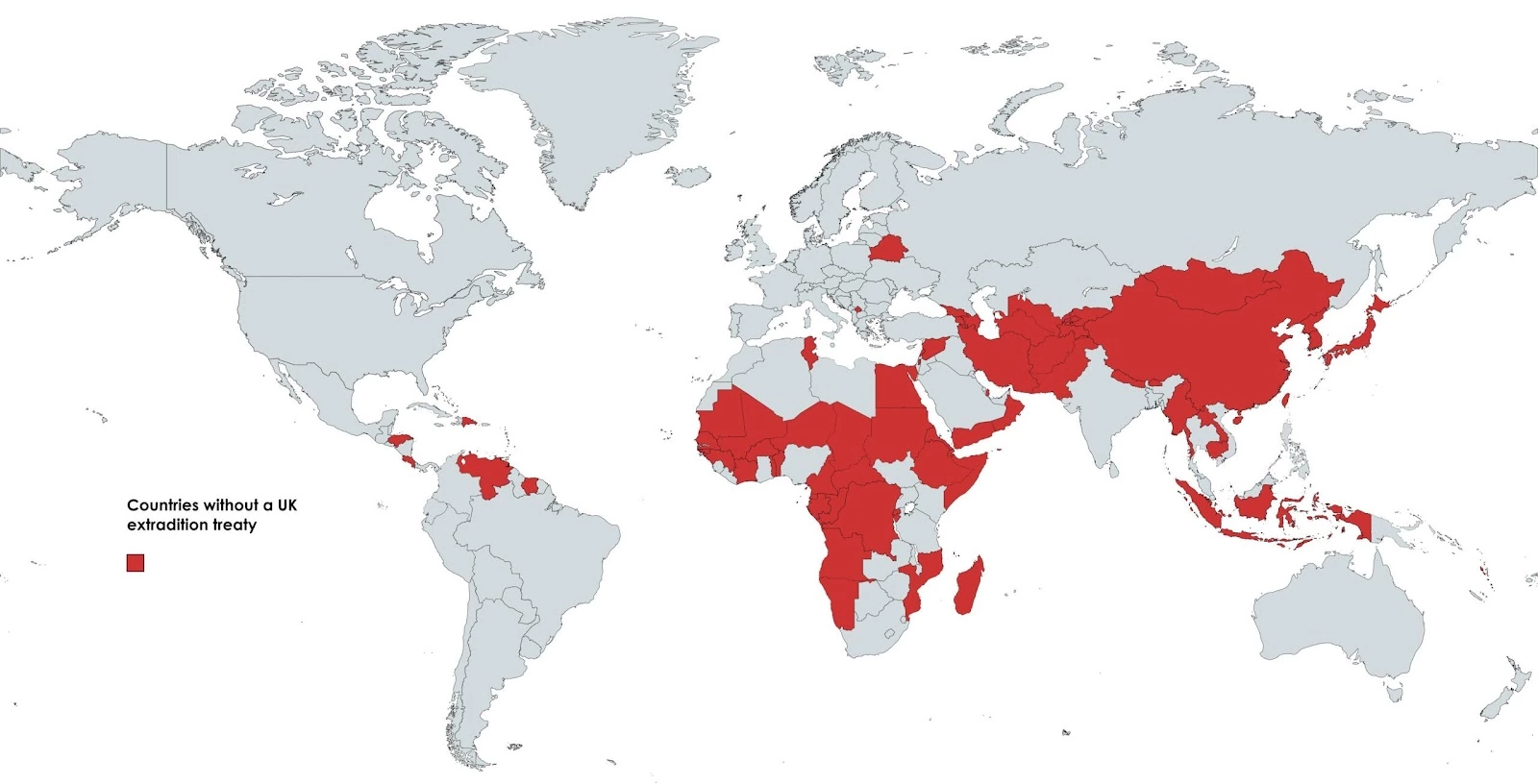
Countries Without Extradition to USA & UK — Full Legal List 2026
Update 2026: This page has been reviewed and updated to reflect the most current information available regarding countries without extradition arrangements, ensuring accurate and reliable legal guidance for 2026. More than 50 countries do not have bilateral extradition treaties with the United States or the United Kingdom. While the absence of a treaty significantly reduces […]